
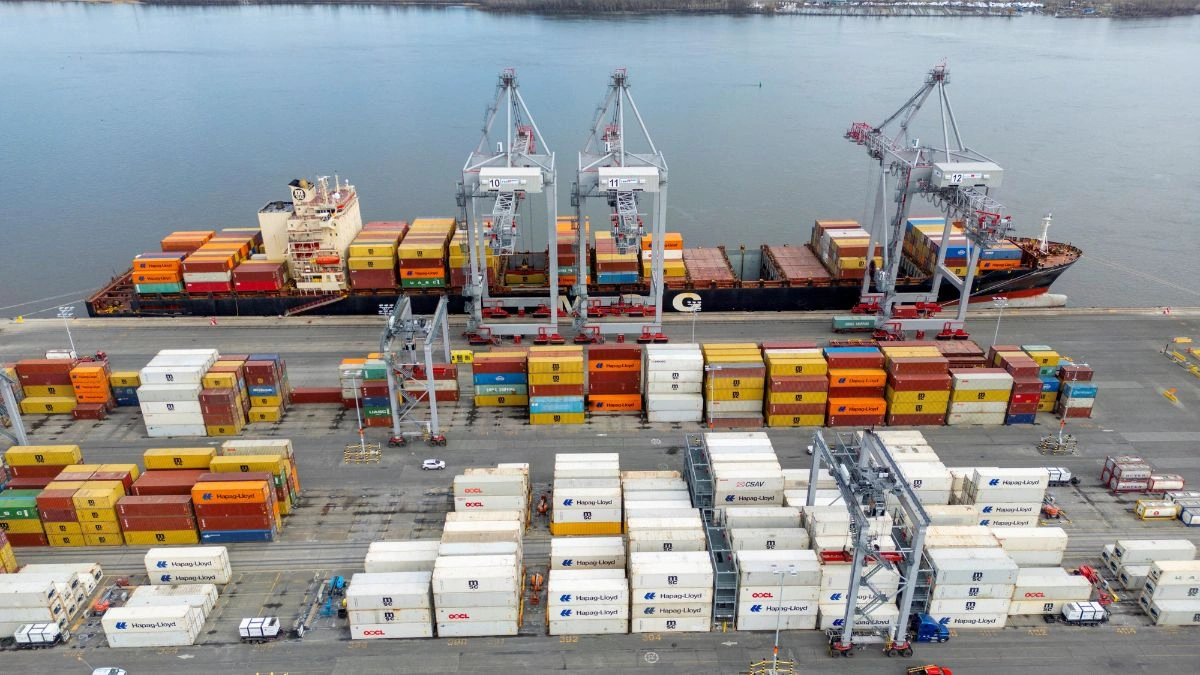
Canada recorded a much larger-than-expected trade deficit in April 2026, driven primarily by a sharp rise in gold imports. According to official data, the country’s merchandise trade deficit expanded to C$5.74 billion, compared to a revised C$4.18 billion in the previous month. This figure far exceeded analysts’ expectations, which had predicted a deficit of around C$2.25 billion.
The widening gap highlights growing imbalances in trade flows, particularly as imports surged faster than exports during the month.
Imports Reach Record Levels
Total imports climbed by 8.4% in April, reaching an all-time high of C$72.1 billion. In volume terms, imports rose by 7.1%, reflecting strong demand across several sectors.
A major contributor to this increase was a 45.6% jump in imports of metal and non-metallic mineral products, largely due to significant purchases of gold from the United States. Even transactions where gold does not physically cross the border are still recorded as imports under balance-of-payments accounting rules.
Additionally, imports of motor vehicles and parts rose by 5.9% as production at Canadian auto plants resumed and sales stabilized. Energy product imports also saw a notable increase of 20.1%, adding further pressure to the import bill.
Exports Show Moderate Growth
Exports also improved during the month, rising 6.4% to C$66.31 billion, the highest level since March 2025. The increase followed a decline in the previous month, signaling some recovery in external demand.
Gold exports again played a key role, with shipments of unwrought gold, silver, and platinum group metals rising by 14.2%. This growth was largely driven by increased exports of gold to the United Kingdom.
Changing Trade Dynamics with the United States
Canada’s trade relationship with the United States showed notable shifts. The proportion of exports going to the U.S. fell to just over 66%, down from 68% previously and more than 79% a year earlier.
As a result of higher gold imports from the U.S., Canada’s trade surplus with its largest trading partner narrowed significantly to C$1.7 billion, compared to C$4.9 billion earlier. This marked the smallest surplus since May 2020.
Growing Export Diversification
Exports to countries other than the United States increased by 10.5% to a record C$22.3 billion, indicating a gradual diversification of Canada’s trade portfolio.
Economists note that this trend is partly driven by increased gold exports, but also by improved trade relations with China. A recent agreement has helped ease restrictions, boosting exports of agricultural products such as canola, soybeans, and barley.
Looking ahead, analysts expect further growth in exports to China, along with increased oil exports supported by rising global crude prices linked to geopolitical tensions.
Market Reactions and Outlook
Following the release of the data, the Canadian dollar weakened slightly, trading at C$1.3918 per U.S. dollar. Meanwhile, yields on two-year government bonds rose modestly.
The outlook for Canada’s trade balance remains uncertain, as global commodity prices, geopolitical developments, and trade policies continue to influence both imports and exports.
Conclusion
Canada’s widening trade deficit in April 2026 reflects a complex economic landscape shaped by surging imports, particularly gold, and evolving global trade dynamics.
While exports have shown resilience and diversification is improving, rising import costs continue to weigh on the overall balance. Future trends will depend on commodity markets, geopolitical stability, and the country’s ability to expand trade beyond traditional partners.