
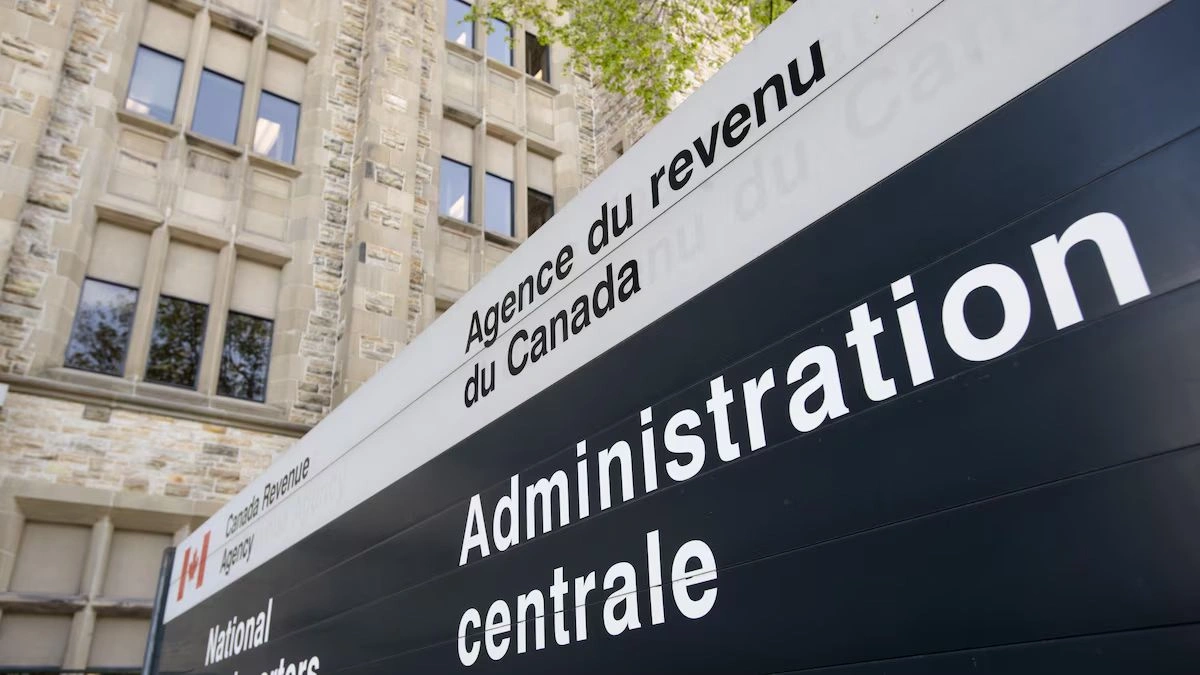
The Canada Revenue Agency (CRA) has decided not to renew approximately 1,300 temporary contracts following the end of the 2025 tax season. According to the Union of Taxation Employees (UTE), the majority of these positions were held by call centre agents who were hired to handle increased demand during peak filing periods.
The agency confirmed the move, noting that these temporary roles are typically phased out once the tax season concludes and call volumes begin to decline.
Call Centre Services Expected to Be Impacted
Union representatives warn that the reduction could affect all CRA call centre lines across the country. Marc Brière, president of the UTE, expressed concern that fewer agents will likely result in longer wait times for Canadians seeking assistance.
Employees whose contracts are not being extended are expected to finish their roles by May 16, marking the official end of the busy tax period. While seasonal layoffs are common, Brière emphasized that the scale of this year’s cuts is particularly concerning.
Seasonal Hiring Practices and Workforce Adjustments
The CRA has clarified that hiring temporary staff during tax season is standard practice. These workers are brought in to manage the surge in inquiries and filings, with staffing levels typically returning to normal afterward.
However, the union points out that while such reductions are routine, the volume of contract non-renewals this year stands out. For comparison, about 2,000 contracts were ended around the same time last year, although some of those workers were rehired at the start of the next tax season.
The agency also stated that temporary employees are made aware from the outset that their roles are short-term. When demand increases again, experienced agents may be rehired to support operations.
Declining Morale Among Employees
Beyond operational concerns, the union has raised alarms about the impact on staff morale. According to Brière, both temporary and permanent employees are experiencing increased stress levels.
Temporary workers face uncertainty about future employment, while permanent staff are expected to manage heavier workloads due to reduced staffing. This combination is contributing to frustration within call centres and could affect overall service quality.
Concerns Over Future Public Service Cuts
The situation has also sparked broader concerns about potential reductions across the federal workforce under the leadership of Mark Carney.
In his first public remarks following the election, Carney outlined plans to control government spending by capping the size of the public service rather than cutting transfers to provinces or individuals. His approach includes eliminating inefficiencies, reducing redundant programs, and increasing productivity through technology.
Brière has urged the government to reconsider further reductions, warning that continued cuts could weaken public services and place additional strain on workers.